
Our Teaching Methodology
We teach location analysis as a learnable skill, not an innate talent. Our structured approach emphasizes systematic evaluation using public information sources that anyone can access and verify.
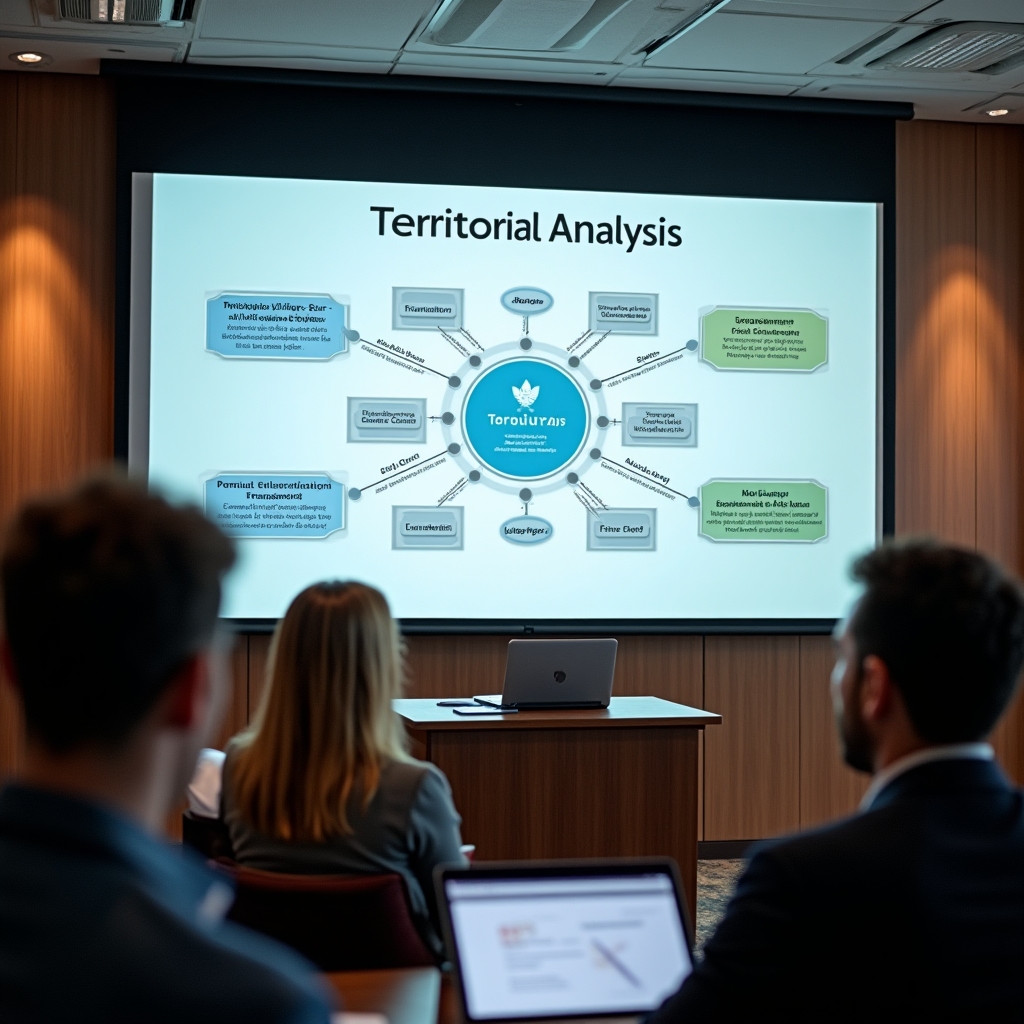

What Guides Our Teaching
Skills Over Secrets
We teach methods, not shortcuts. Location analysis requires learning to work with data systematically. There are no secret formulas or insider knowledge—just structured approaches to evaluating publicly available information. Our workshops focus on building competence through practice.
Verifiable Information Only
Every data point we teach participants to find comes from public sources they can access independently. We avoid speculation, market predictions, and subjective assessments. If information cannot be verified through municipal records, public databases, or official documentation, we do not include it in our analysis framework.
Real Practice With Real Data
Participants work with actual municipal databases, not simulations or examples. You navigate the same systems you will use after the workshop, analyzing real neighborhoods with current data. This hands-on approach ensures the skills transfer directly to independent practice.
Transferable Frameworks
We teach evaluation frameworks that apply to any location, not specific neighborhood recommendations. The goal is equipping participants to conduct their own analysis wherever they choose to invest, not creating dependence on ongoing advice or guidance.
Honest About Limitations
Territorial analysis reveals patterns and provides context—it does not predict the future or eliminate investment risk. We clearly communicate what analysis can and cannot tell you. Understanding these boundaries is part of developing sound judgment.
How We Organize Learning
Data Source Navigation
We begin by teaching participants to find and access relevant public databases. This includes municipal cadastre systems, construction permit records, commercial licensing databases, and infrastructure project registries.
Information Extraction
Participants learn to retrieve specific information from each source efficiently. This involves understanding database structures, using search functions effectively, and recognizing which data points matter for location evaluation.
Pattern Recognition
We teach participants to identify meaningful patterns in the data they collect. This includes recognizing development trends, understanding zoning implications, and connecting infrastructure plans to neighborhood accessibility.
Systematic Compilation
Participants use structured frameworks to organize their findings. This ensures comprehensive evaluation and makes it easier to compare different locations objectively using consistent criteria.
Interpretation Guidance
We discuss how to interpret findings within broader context. Participants learn to distinguish between significant indicators and minor details, and to recognize when additional investigation is warranted.
Practical Application
The workshop culminates in each participant completing a full location analysis of a real ten-block radius. This comprehensive exercise integrates all learned skills into a cohesive evaluation process.
What Makes Our Approach Different
Many real estate education programs focus on identifying opportunities or predicting market movements. We take a different path. Our workshops teach evaluation methods that participants can apply independently, repeatedly, and in any location.
- No property recommendations or specific investment opportunities discussed
- No market predictions or timing advice provided
- No ongoing subscription or membership required after workshop completion
- All data sources taught are publicly accessible at no cost
- Methods work anywhere in Argentina where municipal data is available
- Skills remain relevant as long as public records exist
Educational Philosophy
We believe informed decision-making comes from understanding how to find and interpret information, not from being told what to think or where to invest. Our role is teaching participants to conduct their own analysis competently, not creating dependence on expert opinions or proprietary data.
Experience Structured Location Analysis Training
Learn territorial evaluation through systematic methods and hands-on practice with public data. Develop skills that serve your investment decisions throughout your journey.
Attend a Workshop